

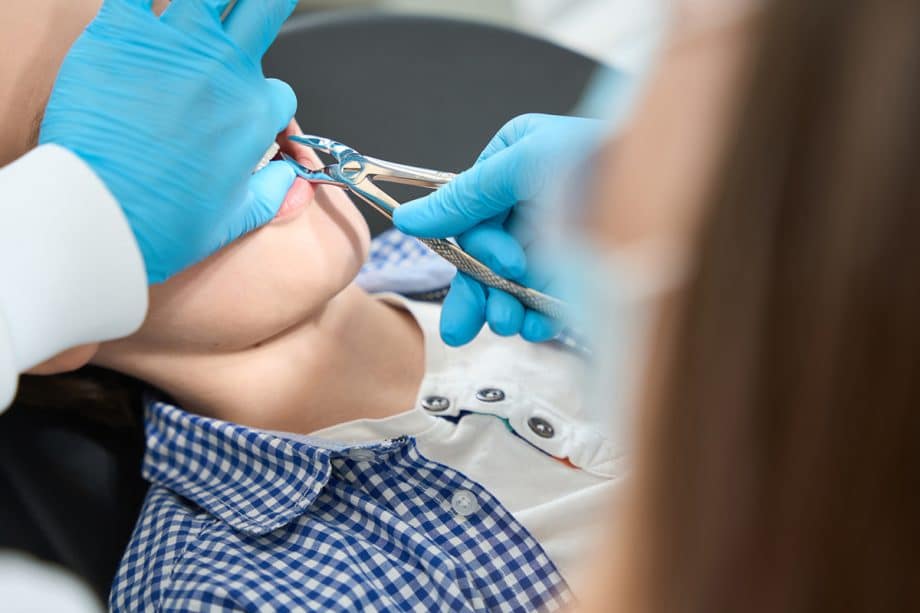
Tooth extractions are sometimes necessary at every age, but the reasons and experiences can look very different for children and adults. Whether it’s baby teeth that refuse to fall out on their own or permanent teeth that have been damaged, understanding these differences helps patients and parents feel more confident about care. At Upper West Side Oral and Maxillofacial Surgery, we provide safe and effective tooth extractions for young patients and adults, helping every age group maintain long term oral health.
No matter the reason for treatment, the process should always feel informed, comfortable, and tailored to your needs. This guide explains how tooth extractions differ between children and adults and what you can expect before, during, and after the procedure.
Why Children Need Tooth Extractions
Children often need tooth extractions for reasons connected to natural growth and development. Baby teeth are meant to fall out, but sometimes they linger longer than they should. When this happens, they can block permanent teeth from erupting correctly, leading to crowding or misalignment that may require orthodontic treatment later.
Another common reason for pediatric extraction is severe decay. Because children have thinner enamel and developing oral hygiene habits, damaged baby teeth sometimes cannot be restored. Removing them can protect the surrounding teeth and prevent infection.
Space management is another factor. Orthodontists sometimes recommend removing certain baby teeth to ensure proper alignment as the adult teeth erupt. These procedures are typically straightforward, and recovery is generally quicker for younger patients since the bone and gum tissue heal more efficiently in childhood.
Why Adults Need Tooth Extractions
Adults often require extractions for very different reasons. Permanent teeth may be weakened by trauma, severe decay, wear, or gum disease. When a tooth can no longer be saved through restorative dentistry, removal becomes the best option to prevent infection and support overall oral health.
Crowding can also lead adults to need extractions, especially when preparing for orthodontic treatment. In these cases, removing one or more teeth creates the space needed to guide the remaining teeth into a healthier alignment.
Another common scenario is an impacted tooth. Adult patients frequently experience this with wisdom teeth, which may grow at an angle or remain trapped beneath the gumline. Impacted teeth often require surgical removal, which calls for a higher level of expertise to prevent complications.
How the Extraction Process Differs Between Children and Adults
While the general steps are similar, there are meaningful differences in technique and healing between children and adults.
During a child’s extraction, the focus is often on removing a tooth that has shorter roots or is already somewhat loose. These extractions may require only local anesthesia and are usually quick. Children also tend to heal faster because their bone tissue is more adaptable.
Adult extractions can be more complex. Permanent teeth have longer, stronger roots that are firmly anchored in the jawbone. For damaged or impacted teeth, surgical extraction may be necessary. At Upper West Side Oral and Maxillofacial Surgery, we offer multiple sedation options based on the needs of the patient, including local anesthesia, nitrous oxide, and IV sedation for more advanced procedures.
Regardless of age, each extraction follows a similar process. We use an elevator to loosen the tooth and forceps to gently remove it. If needed, sutures are placed to close the area and protect the socket. Surgical extractions may involve making a small incision or removing a small amount of bone to access the tooth.
Recovery Differences for Children and Adults
Healing after an extraction varies by age, overall health, and the type of procedure performed.
Children typically recover quickly. Baby tooth sockets are smaller, and the body rapidly forms new tissue to close the area. Mild discomfort and swelling are common on the first day, but children often bounce back to normal routines sooner than adults.
Adults may experience a longer recovery timeline. Because the roots are deeper and the bone is more dense, soreness and swelling can last for several days. Adults are also more prone to complications like dry socket, especially if aftercare instructions are not followed. Avoiding straws, smoking, and vigorous rinsing helps protect the blood clot that forms in the socket and reduces the risk of discomfort.
In both children and adults, our focus is to prevent infection, minimize pain, and ensure healthy healing. Fever, unusual swelling, or a persistent bad odor from the extraction site should be addressed promptly, and we encourage patients to call our office with any concerns.
Expert Care for Children and Adults
Tooth extractions play an important role in supporting healthy development for children and maintaining long term oral health for adults. Understanding the differences between pediatric and adult extractions helps you feel more prepared and confident about your treatment. At Upper West Side Oral and Maxillofacial Surgery, our team provides expert care for patients of all ages, helping you protect your smile with safe, comfortable, and personalized treatment options.
Frequently Asked Questions About Tooth Extractions
Are tooth extractions painful?
During the procedure, the area is fully numbed with local anesthesia to prevent pain. After the anesthesia wears off, mild soreness and swelling are normal but can be managed with recommended medications and home care.
Do children heal faster than adults after an extraction?
Yes. Children tend to recover more quickly due to natural bone flexibility and faster tissue regeneration. Adults may experience more pronounced soreness or swelling, especially after surgical extractions.
At Upper West Side Oral and Maxillofacial Surgery, we provide skilled and compassionate care for patients of all ages who need extractions or other oral surgery services. Our team is dedicated to your comfort and long term oral health, offering safe techniques and clear guidance every step of the way. To schedule a visit or learn more, contact us today.