
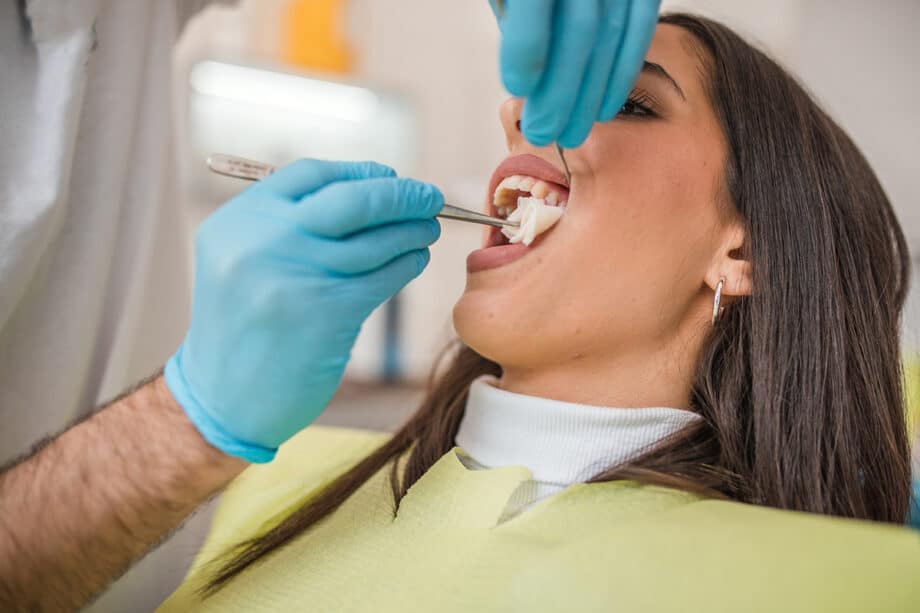
Having a tooth removed can bring relief from infection, crowding, or severe damage, but it is normal to experience some discomfort during the healing process. Whether you have had a simple extraction or a more complex surgical procedure, knowing how to manage pain after a tooth extraction in NYC can make recovery more comfortable and help prevent complications.
At Upper West Side Oral and Maxillofacial Surgery, patients receive personalized treatment plans designed to promote safe healing and minimize discomfort. Led by Dr. Nam Park, a dual degree, board-certified oral and maxillofacial surgeon, the practice combines advanced technology with compassionate care to help patients recover with confidence.
What to Expect During the First Few Days
Pain after a tooth extraction is a normal part of the body's healing response. Most patients notice the greatest discomfort within the first 24 to 48 hours, after which symptoms gradually improve. Mild swelling, tenderness, and slight bleeding are also common during this time.
The amount of discomfort depends on several factors, including:
- Whether the extraction was simple or surgical
- The size and position of the tooth
- Whether the tooth was impacted
- Your overall health
- How closely you follow your post-operative instructions
If you had wisdom teeth removed or another surgical extraction, your recovery may take slightly longer than someone who had a routine extraction. Even so, many patients begin feeling noticeably better within a few days.
Follow Your Oral Surgeon's Instructions Carefully
The most important step in controlling pain is following the instructions provided by your oral surgeon. Every patient heals differently, and your recovery recommendations are tailored to your specific procedure.
Your instructions may include guidance on:
- When to take prescribed or over-the-counter medications
- How to care for the extraction site
- What foods to eat and avoid
- When to resume brushing and flossing
- Activity restrictions during recovery
Following these recommendations consistently can reduce inflammation, protect the blood clot, and lower your risk of painful complications.
Use Pain Medication as Directed
Your oral surgeon may recommend over-the-counter medications, prescription medication, or a combination of both depending on your procedure.
For many patients, non-prescription anti-inflammatory medications are enough to control discomfort. Others, particularly those who undergo surgical extractions, may receive a short course of prescription pain medication for the first day or two.
Take medications exactly as instructed. Waiting until pain becomes severe can make it more difficult to control. Staying ahead of discomfort during the first 24 hours often leads to a smoother recovery.
Never exceed the recommended dosage, and be sure to discuss any allergies, medical conditions, or current medications with your healthcare provider before taking pain relievers.
Reduce Swelling with Cold Compresses
Swelling often contributes to post-extraction discomfort. Applying a cold pack to the outside of your face can help reduce both swelling and pain.
During the first 24 hours:
- Apply the ice pack for about 20 minutes.
- Remove it for about 20 minutes.
- Repeat as needed while you are awake.
After the first day, cold therapy becomes less effective. Depending on your surgeon's recommendations, warm compresses may then help improve circulation and reduce muscle stiffness.
Protect the Blood Clot
One of the most important parts of healing is allowing a stable blood clot to form in the extraction socket. This clot protects the underlying bone and nerves while new tissue develops.
If the clot becomes dislodged, a painful condition called dry socket may occur.
To help protect the blood clot:
- Avoid drinking through straws.
- Do not smoke or vape.
- Avoid vigorous rinsing for the first 24 hours.
- Do not spit forcefully.
- Eat soft foods that require minimal chewing.
Taking these precautions can significantly reduce the likelihood of dry socket and improve overall comfort.
Eat Soft, Nutritious Foods
Eating the right foods can help your body heal while preventing unnecessary irritation to the extraction site.
Good choices include:
- Yogurt
- Applesauce
- Mashed potatoes
- Smooth soups
- Scrambled eggs
- Oatmeal
- Cottage cheese
- Smoothies eaten with a spoon
Avoid foods that are:
- Crunchy
- Hard
- Sticky
- Extremely hot
- Spicy
Drink plenty of water to stay hydrated, but avoid carbonated beverages and alcohol during the initial healing period unless your surgeon advises otherwise.
Keep Your Mouth Clean Without Disturbing Healing
Maintaining good oral hygiene helps reduce bacteria and lowers the risk of infection. Continue brushing your teeth, but avoid brushing directly over the extraction site during the first few days.
After the first 24 hours, your oral surgeon may recommend gently rinsing with warm salt water several times each day, especially after meals. This helps keep the area clean without disrupting healing. Avoid commercial mouthwashes unless specifically instructed to use them.
Rest and Give Your Body Time to Heal
Many people in NYC lead busy lives, but slowing down after a tooth extraction is one of the best ways to promote healing.
During the first day or two:
- Limit strenuous exercise.
- Avoid heavy lifting.
- Keep your head elevated when resting.
- Get plenty of sleep.
Physical activity too soon after surgery may increase bleeding, swelling, and discomfort. Allowing your body adequate time to recover often shortens the overall healing process.
Know When Pain Is Not Normal
While some discomfort is expected, severe or worsening pain may indicate a complication that requires professional evaluation.
Contact your oral surgeon if you experience:
- Pain that becomes worse after several days
- Heavy bleeding that does not stop
- Fever or chills
- Significant swelling after the third day
- Pus or foul-tasting drainage
- Difficulty swallowing or breathing
Prompt treatment can often prevent minor concerns from becoming more serious.
Why Choosing an Experienced Oral Surgeon Matters
Managing pain starts long before your recovery begins. Careful surgical technique, modern technology, and personalized treatment planning all contribute to a more comfortable healing experience.
Upper West Side Oral and Maxillofacial Surgery provides comprehensive oral surgery services, including dental extractions, wisdom tooth removal, dental implants, bone grafting, and sedation dentistry. Dr. Nam Park is a dual degree, board-certified oral and maxillofacial surgeon who emphasizes patient comfort while using advanced technology to promote safe, effective outcomes.
Patients throughout Manhattan and the surrounding NYC neighborhoods trust the practice for compassionate care before, during, and after oral surgery.
A Comfortable Recovery Starts with Proper Care
Most patients recover from a tooth extraction with only mild to moderate discomfort that steadily improves over several days. Following your post-operative instructions, protecting the extraction site, eating soft foods, staying hydrated, and getting enough rest all play important roles in successful healing.
If you have questions about your recovery or are preparing for an upcoming tooth extraction, working with an experienced oral and maxillofacial surgeon can help ensure you receive the guidance and support you need every step of the way.
Frequently Asked Questions About Tooth Extractions
How long does pain usually last after a tooth extraction?
Most patients notice significant improvement within three to five days. Mild tenderness may continue for a week or more depending on the complexity of the extraction.
Is swelling normal after a tooth extraction?
Yes. Swelling is a normal part of healing and usually peaks within the first 48 hours before gradually improving.
What is dry socket?
Dry socket occurs when the protective blood clot becomes dislodged from the extraction site, exposing the underlying bone and nerves. It can cause significant pain and should be evaluated by your oral surgeon.
When can I return to work after a tooth extraction?
Many patients return to work or school within one or two days after a simple extraction. More complex surgical procedures, including impacted wisdom tooth removal, may require additional recovery time.
Can I brush my teeth after an extraction?
Yes, but avoid brushing directly over the extraction site during the first few days. Continue practicing good oral hygiene while following your surgeon's cleaning instructions.
At Upper West Side Oral and Maxillofacial Surgery, we are committed to providing exceptional surgical care with compassion, integrity, and advanced technology. Our experienced team works closely with every patient to ensure a safe procedure and a comfortable recovery. Whether you need a routine extraction or a more complex oral surgery procedure, we are here to help you achieve the best possible outcome. Contact us today to schedule a consultation.